


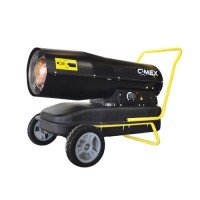
Portable Heaters for Workshops, Warehouses and Building Sites
Portable heaters provide temporary heat where a permanent system is unavailable or additional warmth is needed. The CIMEX range covers electric fan heaters, gas or propane forced-air heaters and diesel heaters. The Bulgarian category describes their use in garages, workshops, warehouses, halls, greenhouses and construction spaces, including winter finishing work. Each fuel type has different power, ventilation and placement requirements, so select a model for the actual space and follow its operating instructions.
Electric, Gas and Diesel Heater Options
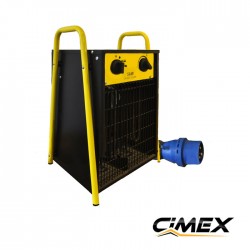
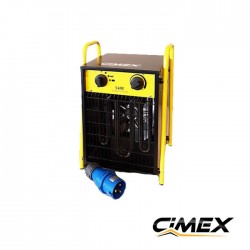
An electric fan heater delivers warm air without storing fuel at the work point. Check the model's electrical supply, rated output and plug or connection requirements before use. Larger electric heaters may need a supply that is not available from an ordinary socket. Keep the heater clear of materials that could block airflow or be damaged by heat, and avoid using it in wet conditions unless the product instructions permit that environment.
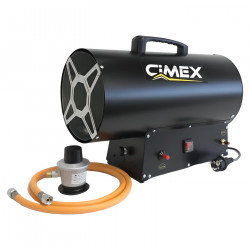
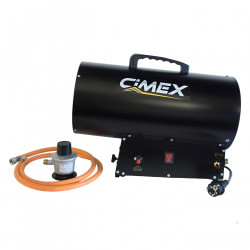
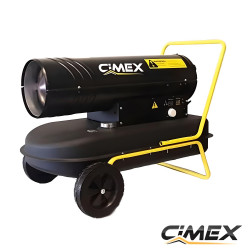
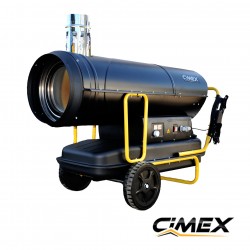
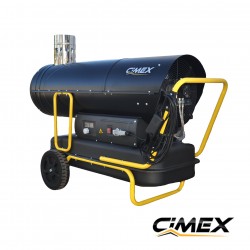
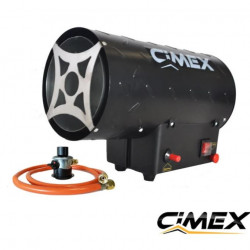
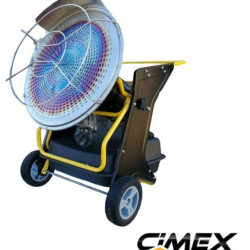
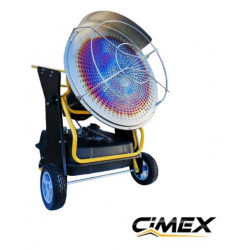
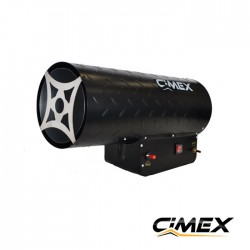
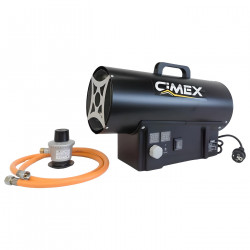
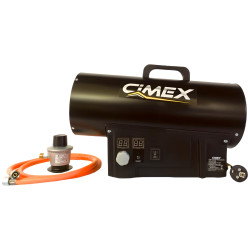
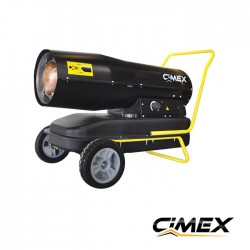
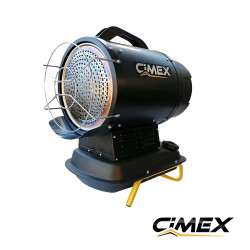
Gas or propane heaters can provide substantial heat in suitable work areas, but combustion changes the air in the space. Confirm the required ventilation, fuel type, cylinder arrangement and minimum clearances for the exact heater. Diesel heaters also vary by design; some direct-fired models discharge combustion products with the heated air, while indirect-fired equipment has different exhaust arrangements. Never assume a fuel heater is suitable for an occupied or enclosed room from its heat output alone.
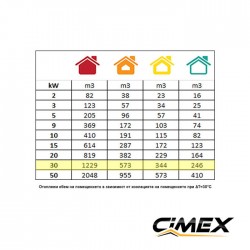
The category includes electric, propane and diesel heater subcategories. Compare models within the relevant type rather than using one broad power range as a promise for every unit. The current Bulgarian overview mentions equipment from 3 to 50 kW, but output, fuel consumption and recommended use must be confirmed on each product page.
Choose Output for the Building and Task
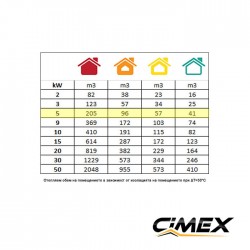
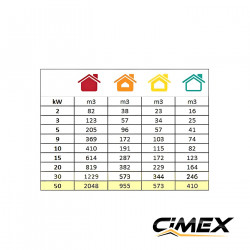
Start with the space to be heated and its heat losses. Floor area, ceiling height, insulation, open doors and outdoor temperature all affect the amount of heat required. A workshop with frequent door opening will behave differently from a closed stockroom of the same size. Consult the heater's technical information and, for demanding sites, calculate the heat demand rather than choosing by floor area alone.
Consider where the warm air needs to go. A portable fan heater can help distribute heat locally, but equipment, partitions and long rooms can obstruct airflow. Plan a stable position that provides the clearances stated in the manual and keeps people away from hot outlets. Check noise, available power or fuel storage, and whether the machine will be moved between rooms or used in one work zone.
Heating During Construction and Finishing
Temporary heat can help maintain a working temperature during cold-weather plastering, painting and flooring work. It does not replace the product maker's requirements for substrate temperature, ventilation, humidity and drying time. Direct-fired fuel heaters may introduce moisture and combustion products into the air, which can affect some finishes. Use the heating method and ventilation plan appropriate to the material being installed.
For a newly built or damp space, think about humidity as well as air temperature. Heating alone may not remove moisture from the building. Check the finishing product's instructions, monitor site conditions and use suitable drying or ventilation equipment where needed. Keep warm air from blowing directly on a fresh finish unless the application guidance allows it.
Fuel, Ventilation and Safe Operation
Before starting any heater, inspect the power lead or fuel system, air openings and guards. Use only the specified fuel and approved connections. Place the unit on a firm surface, maintain the stated separation from combustible materials and do not block the air inlet or outlet. Keep cylinders, containers and cables arranged so they cannot be struck, overheated or create a trip hazard.
Combustion heaters require particular attention to ventilation and exhaust. Follow the model's instructions and local site rules for the intended space. Do not use fuel-fired equipment in a poorly ventilated occupied area. If a heater has a fault, unusual smell or damaged connection, shut it down according to its instructions and have it checked before reuse. Allow the unit to cool before moving, refuelling or storing it.
Compare CIMEX Portable Heaters
Browse the electric, propane and diesel CIMEX heater ranges to match output and energy source to your building or site. Read the individual product page for electrical or fuel requirements, ventilation guidance, clearances and any accessories. A correctly selected portable heater can provide controlled temporary warmth for maintenance, storage and construction work while remaining suitable for the conditions in which it is used.
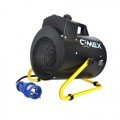
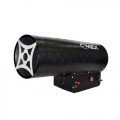
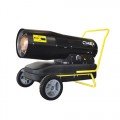
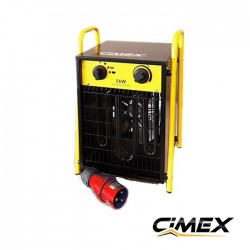
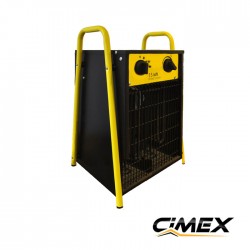
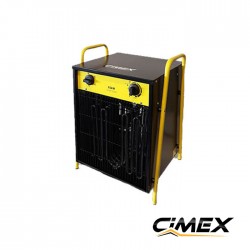
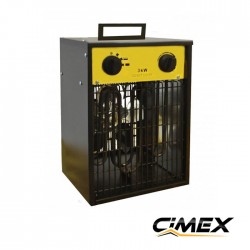
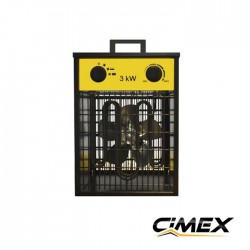
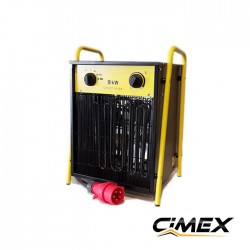
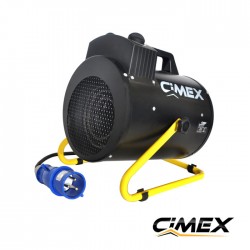
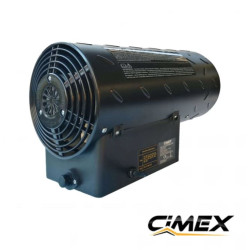
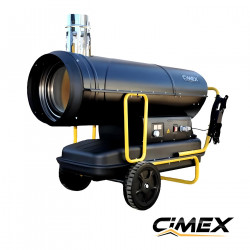
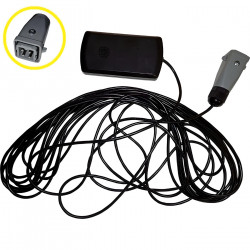
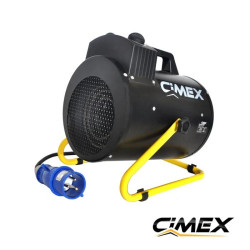
-250x250.jpg "Electric Heater 5.0 kW, CIMEX EL5.0SC")
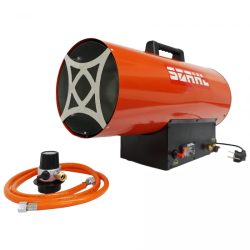
-250x250.png "Gas Heater 30.0 kW, STAHL SGAS30 with Pressure Regulator and Hose")
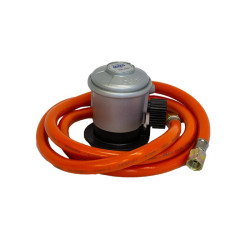
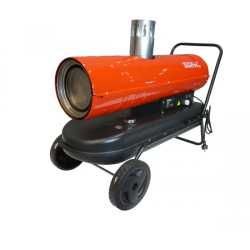
-250x250.png "Diesel Heater with Indirect Combustion 30.0 kW, STAHL SDH30i")