

PLASTERING AND PAINTING MACHINES
Plastering and Painting Machines for Professional Finishing
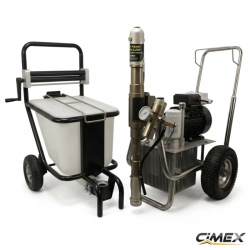
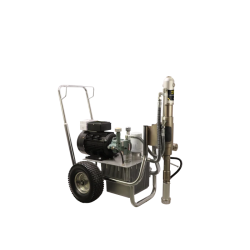
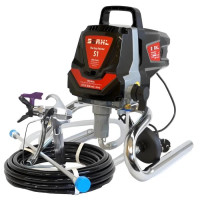
Plastering and painting machines help contractors apply finishing materials across walls, ceilings and other suitable surfaces. The Bulgarian CIMEX category centres on airless equipment: a pump draws material from its container and sends it through a hose to a gun or application tool. The current CIMEX.com catalogue includes machines for paint, putty and textured coatings alongside spray tips and related accessories. Select the system for the material and output the job requires, rather than treating every airless machine as interchangeable.
Painting, Putty and Plaster Applications
Airless paint sprayers are used for compatible coatings on interior walls, façades, roofs, halls and metal structures. Unlike a conventional compressed-air spray gun, an airless unit pressurises the coating and forms the spray pattern as it exits a small tip. This can support efficient coverage of larger areas when the correct machine, material and technique are used. The Bulgarian source mentions water-based paints such as latex and suitable lacquers; material compatibility must still be checked for the exact model.
Putty and plastering work places different demands on the machine. Thicker compounds, higher solids content and textured finishes may need greater delivery capability, a suitable material path and a different application tool. The CIMEX range contains machines described for applying putty, plaster and paint, but their supported materials vary by model. Review the published specifications and the coating manufacturer's requirements before putting a dense or abrasive product into a machine designed only for paint.
Choose a System for the Workload
Estimate the area to cover, the material volume, the number of working days and the finish needed. A light painting machine may suit occasional smaller jobs; regular site work or high-volume application calls for a model with appropriate pump capacity and duty guidance. Compare each machine's stated flow, pressure, recommended maximum tip size, hose length and power requirements. These figures determine whether it can maintain a consistent pattern with the coating being used.
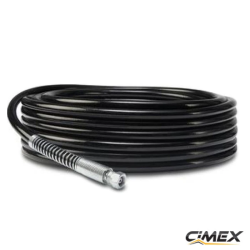
Think about access as well. A mobile machine may need to move through doorways or up to the working floor, while hose routing should avoid sharp bends, damage and trip hazards. For façade work, plan safe access to the surface and protect neighbouring areas from overspray. The right machine is the one that can apply the specified material within its published operating limits at the pace the project requires.
Understand Tips and Application Tools
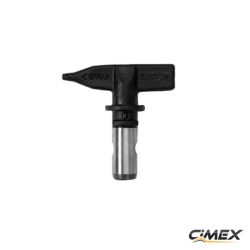
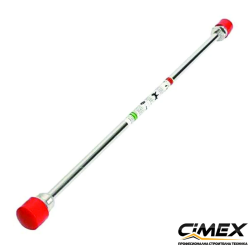
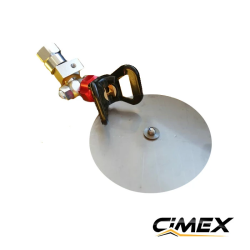
The spray tip affects fan width and flow. Choose it according to the coating instructions, the target surface and the pump's supported range. A wider fan can help cover a broad wall; a narrower pattern may give more control at edges or smaller elements. Tip size alone does not guarantee a good finish: pressure, filtration, coating preparation and spray technique all matter. Use compatible guns, hoses and filters rated for the machine's pressure and the intended material.
Plaster and putty systems may use different guns, nozzles or hoppers from paint-only sprayers. Check what comes with each CIMEX product and which accessories are separate. When replacing a tip or other part, confirm the model and fitting rather than matching by appearance. Worn tips can alter the spray pattern and increase material use, so include consumable inspection in the job plan.
Prepare the Surface and Control Application
Clean and repair the substrate before applying a finish. Follow the material supplier's advice on primer, moisture, temperature, mixing and drying. Mask openings, fixtures and adjacent surfaces. Test the machine on a suitable area to check the pattern or texture and adjust within the equipment's instructions. Apply material in even passes and maintain a consistent distance; inspect the result before moving on to the next section.
High-pressure equipment needs careful handling. Keep the spray gun pointed away from people, never put a hand near the tip and follow the specified pressure-release procedure before clearing a blockage or disconnecting a hose. Use suitable eye and respiratory protection and ventilate the work area. For plastering materials, consider splash protection and the manufacturer's guidance on mixing, pumping and cleaning.
Clean and Maintain the Machine
Flush the pump, hose and gun with the cleaning method specified for the material and machine. Remove residues before they harden, then inspect filters, seals, hoses and fittings. Store parts clean and protected from damage. Consistent cleaning makes it easier to switch coatings and helps the machine deliver predictable results on the next job.
Compare CIMEX Plastering and Painting Machines
Browse the current machines and accessories to compare paint sprayers with models intended for putty or plaster. Use each product page for exact material compatibility, capacity and included equipment. Choosing the machine around the coating, surface and workload helps produce a controlled finish while avoiding unnecessary downtime or rework.
-250x250.jpg "Cutting Guide for CIMEX Airless Machines")
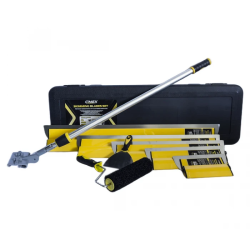
-250x250.png "Set of Putty Knives 0.35 mm, CIMEX – 10 pcs")
-250x250.png "Airless Paint Machine STAHL Easy Paint S1")
-250x250.png "Airless Paint Machine STAHL Easy Paint S1")
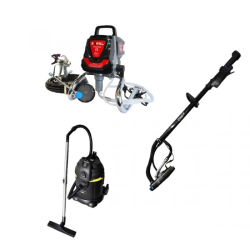
-250x250.png "PROMO PACKAGE! Wall and Ceiling Sander DWS220 + Vacuum Cleaner VAC30L + Airless Paint Sprayer STAHL Easy Paint S1")
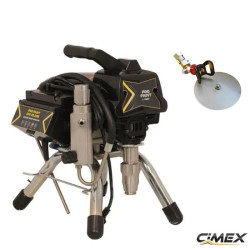
-250x250.jpeg "Airless Paint Sprayer CIMEX APS 20.200i + FREE Edge Cutting Attachment")
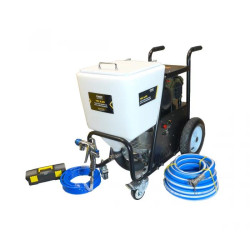
-250x250.jpeg "Plaster and Putty Machine CIMEX TSC 8.55")