


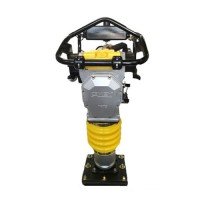
Compaction equipment for soil, aggregates, asphalt and paving
CIMEX compaction equipment helps prepare stable bases for roads, concrete slabs, paths, driveways and paved areas. The range includes forward plate compactors, reversible plate compactors, hydraulically controlled reversible plates, tamping rammers and walk-behind vibratory rollers. Choose the machine to suit the material, working space and required layer thickness rather than weight alone.
Why compact the ground before construction?
Loose soil and aggregate contain voids. Under load, particles can move and the base may settle unevenly, causing rutting, displaced paving, cracking or poor drainage. Compaction reduces those voids and improves the support beneath the finished surface. It is an important stage in road construction, landscaping, trench reinstatement and preparation for concrete or asphalt.
Forward plate compactors
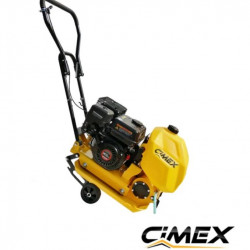
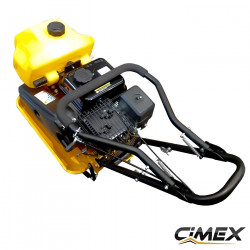
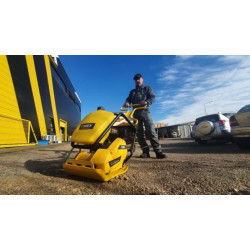
Forward-travel plate compactors use an eccentric vibration mechanism to compact material while moving ahead. Their relatively compact size makes them practical around kerbs, buildings and other obstacles. They are commonly selected for sand, gravel, crushed stone, paving preparation and small repair areas. Check the individual machine's operating weight, centrifugal force, plate dimensions and accessories before choosing.
Compacting block paving
Use a compatible protective paving mat where the paving manufacturer permits plate compaction. The mat reduces direct contact between the steel plate and the blocks. Clear loose stones from the surface and follow the paving supplier's instructions for joint filling, suitable machine weight and compaction procedure. Not every decorative slab is suitable for vibration.
Working on asphalt
For asphalt repairs, select a machine designed for the application, with a water tank or sprinkling system where specified. Water helps reduce material sticking to the plate. Correct asphalt temperature, layer thickness and working technique remain essential.
Reversible plate compactors
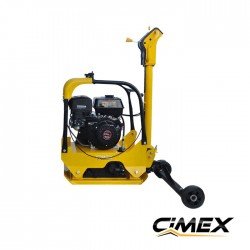
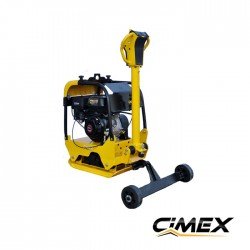
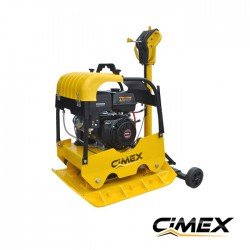
Reversible plates travel forwards and backwards, allowing repeated passes without turning the machine around. They suit granular backfill, road bases, yards, parking areas and sufficiently wide trenches. Heavier machines can be appropriate for more demanding layers, but access, transport capacity and the ground conditions must also be considered.
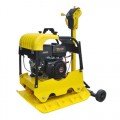
Hydraulically controlled reversible plate compactors provide directional control for intensive compaction work. Compare the actual model specifications rather than assuming that every hydraulic or heavier machine has the same performance.
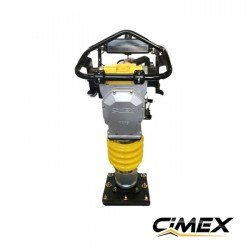
Tamping rammers
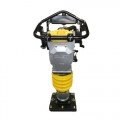
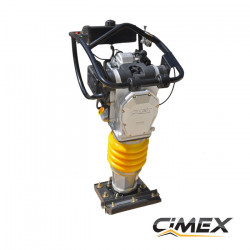
Tamping rammers, also known as jumping-jack rammers, concentrate repeated impacts through a small tamping shoe. They are useful in narrow trenches and around foundations, pipes and retaining structures, particularly where cohesive soils make a rammer more suitable than a plate. They are not a direct replacement for a plate compactor on every surface.
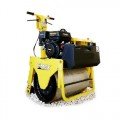
Walk-behind vibratory rollers
A walk-behind roller combines drum weight and vibration to compact suitable materials and finish asphalt repair areas. These compact rollers are useful on footpaths, cycle paths, parking areas and sites with restricted access. Select the drum width and machine configuration to match the work area.
How to choose the right compactor
- Material: distinguish granular sand and gravel from cohesive soil, asphalt and paving.
- Layer thickness: place deeper fills in suitable successive layers; do not assume one surface pass will compact the full depth.
- Centrifugal force: the kN rating describes the force generated by the vibration mechanism, not a guaranteed compaction depth.
- Weight and working width: balance performance and coverage against access, manoeuvrability and transport.
- Moisture: both excessively dry and overly wet material can prevent an acceptable result.
- Passes and testing: use the specified working method and verify the required density; visual appearance alone is not proof of adequate compaction.
Maintenance and safe operation
Follow the operator's manual for inspections and maintenance. Check oil, fuel, filters, fasteners, belts, the vibration mechanism, plate or drum, water system and controls. On rammers, inspect the shoe and bellows; on hydraulic models, inspect hoses and connections. Stop the engine before cleaning or servicing and use the specified lifting points for transport.
Operators need suitable training, hearing protection, eye protection, protective footwear and other task-appropriate equipment. Observe the machine's slope limits and take particular care near excavations and edges. Never operate petrol-powered equipment in enclosed spaces where exhaust gases can accumulate.
Frequently asked questions
Is a plate compactor or a rammer better?
It depends on the ground and access. Plates generally suit granular materials and wider areas; rammers concentrate impact in restricted areas and can be preferable for cohesive soil.
Does a higher kN rating always mean a better choice?
No. The force must suit the layer and surface. Excessive force or weight can be inappropriate for sensitive paving.
How deep can a compactor work?
There is no universal depth. Material grading, moisture, machine specifications, layer thickness and the number of passes all affect the result. Follow the project requirements and the model's guidance.
Which machine should I choose for a small asphalt repair?
Consider an asphalt-suitable plate compactor or a walk-behind vibratory roller, depending on access, area and the required finish.
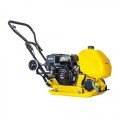
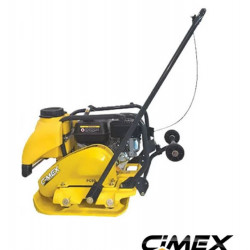
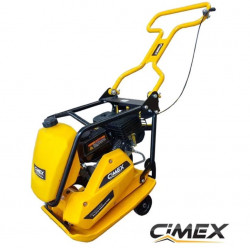
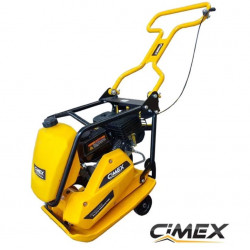
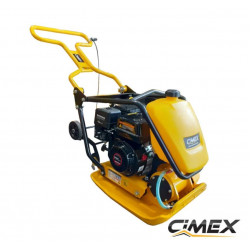
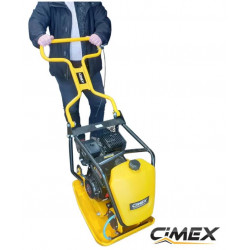
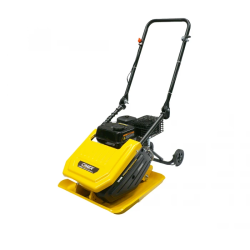
-250x250.png "Plate Compactor 62 kg. 11.0 kN / 5500 vpm - CP70B")
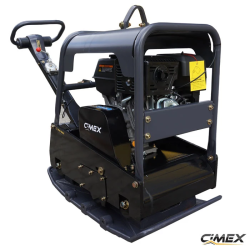
-250x250.png "Hydraulic Reversible Vibratory Plate, 160 kg, CIMEX RCP160H Rental Series")
-250x250.png "Hydraulic Reversible Vibratory Plate, 260 kg. CIMEX RCP300H Rental Series")
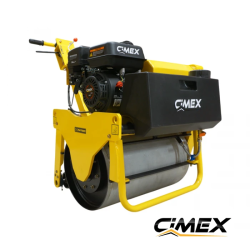
-250x250.png "Single-Drum Walk-Behind Roller with Vibration and Reverse CIMEX VR200")