


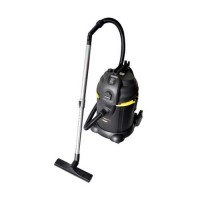
Professional Cleaning Machinery for Commercial and Industrial Use
CIMEX cleaning machinery is designed for professional cleaning in homes, offices, shops, workshops, halls, warehouses and other commercial or industrial premises. The range brings together equipment for dry debris, liquid recovery, routine floor care, pressure washing and dust control. Choosing a machine that matches the surface, contamination and working environment helps improve cleaning quality while reducing unnecessary passes, downtime and operator effort.
Professional cleaning equipment should be selected for the actual task rather than by motor power or tank size alone. Consider the material being collected, the area to be cleaned, access restrictions, power supply, filtration requirements and expected working time. Product specifications vary, so always compare the individual model data and follow its operating manual.
Cleaning equipment in the CIMEX range
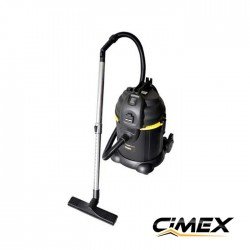
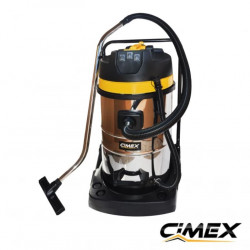
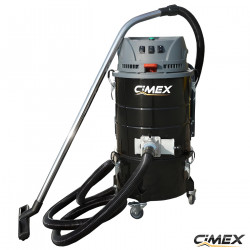
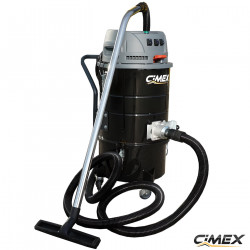
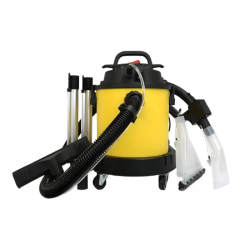
- Wet and dry vacuum cleaners collect suitable dry debris and liquids in workshops, construction areas and commercial premises. Confirm whether the selected filter and accessories are approved for the material involved.
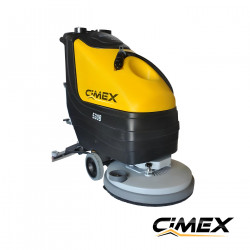
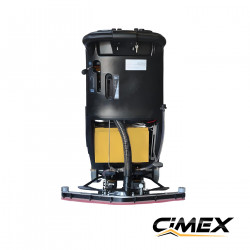
- Floor-cleaning machines support efficient maintenance of suitable hard floors. Depending on the model, equipment may scrub, wash or collect dirty water in a controlled pass.
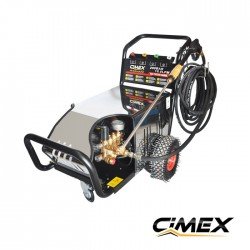
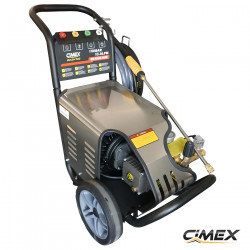
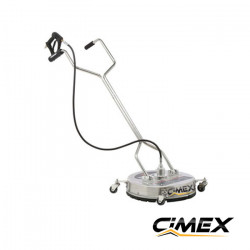
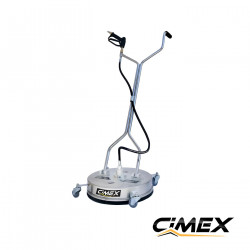
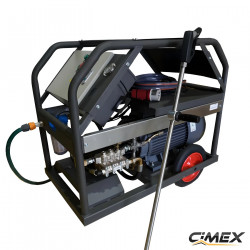
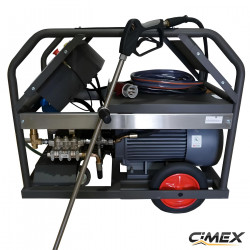
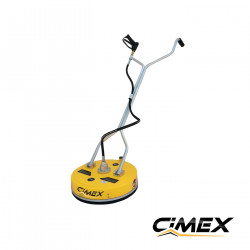
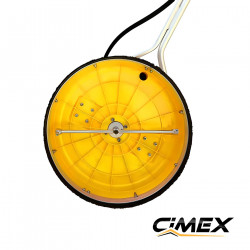
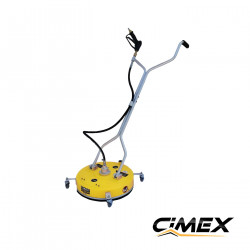
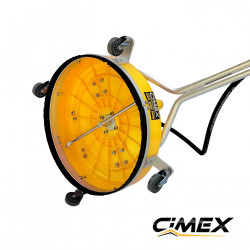
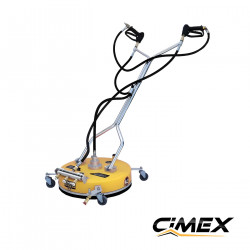
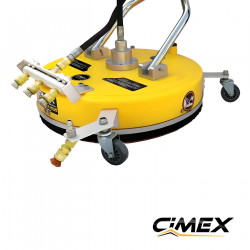
- Pressure washers remove compatible dirt from vehicles, machinery, paving and exterior surfaces using pressurised water. Pressure, flow rate and nozzle choice must suit the surface.
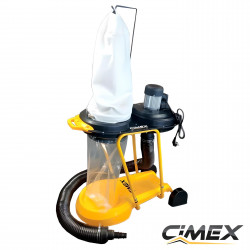
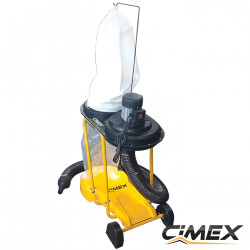
- Dust extractors can help control airborne dust when connected to compatible sanding, grinding or cutting equipment. Connection diameter, airflow and filter class should be checked before use.
- Accessories and adapters extend the usefulness of compatible machines through hoses, nozzles, brushes, connectors and task-specific attachments.
How to choose professional cleaning machinery
Begin with the type of contamination. Fine construction dust, coarse debris, water, oil residues and ingrained floor dirt require different machines and filtration arrangements. A general-purpose vacuum cleaner is not automatically suitable for hazardous dust, hot material, flammable liquid or every industrial substance. Check the permitted application and filter specification of the exact product.
Next, consider capacity and productivity. A larger container may reduce emptying frequency, but it also affects machine size and handling. For pressure washers, assess both working pressure and water flow; pressure alone does not describe cleaning performance. For floor machines, compare working width, tank capacity, manoeuvrability and the type of brush or pad required by the surface.
Access and power supply are equally important. Compact machines are easier to move through doorways, corridors and furnished rooms. Cable length, hose reach and wheel design influence practical coverage. Where mains power is used, verify voltage and socket requirements. Where the machine depends on water supply or drainage, make sure the site can provide them safely.
Filtration, dust control and accessories
Effective filtration protects the working environment and helps maintain the machine. Fine dust may require a suitable cartridge, bag or HEPA filtration system where specified by the manufacturer. A filter described as HEPA must be used only within the complete system and application for which it is approved. Inspect seals, hoses and collection containers regularly because air leaks reduce extraction efficiency.
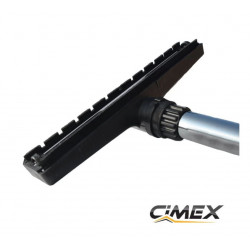
Choose accessories for the job: a crevice nozzle for narrow spaces, a floor tool for broad areas, a brush for delicate surfaces or an extraction adapter for compatible power tools. Correct fit matters. An improvised connection may restrict airflow, detach during work or allow dust to escape.
Safe operation and routine maintenance
Before starting, inspect the cable, plug, hose, filters, tanks and safety devices. Remove obstacles from the work area and use personal protective equipment appropriate to the contamination and cleaning method. Never direct a pressure-washer jet at people, animals, electrical equipment or fragile surfaces. Test an inconspicuous area when surface damage is possible.
After use, empty and clean the container according to the manual, rinse approved recovery tanks, inspect filters and allow wet components to dry. Drain pressure safely before disconnecting pressure-washer accessories. Timely replacement of worn seals, hoses, brushes and filters supports consistent results and longer service life.
Frequently asked questions
Can one vacuum cleaner handle both dust and water?
Only a model specifically approved for wet and dry collection can do so, and its filter or internal configuration may need to be changed before collecting liquid.
Is higher pressure always better for washing?
No. Cleaning depends on pressure, flow, nozzle and detergent compatibility. Excessive pressure can damage paint, wood, joints and other sensitive surfaces.
How do I choose a dust extractor for a power tool?
Check the tool outlet, hose diameter, required airflow, dust category and manufacturer compatibility. The complete extraction system must suit the material being processed.
Explore CIMEX professional cleaning machinery and compare each model by application, capacity, filtration, accessories and site requirements. For help selecting equipment, contact the CIMEX team with details of the surface, contamination and expected workload.

-250x250.png "Professional Upholstery Cleaner Extractor (3 in 1) CIMEX VAC20EX")
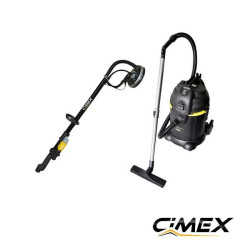
-250x250.png "Set – Wall Sander (Giraffe) + Vacuum Cleaner CIMEX")
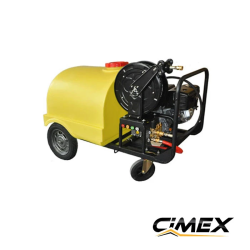
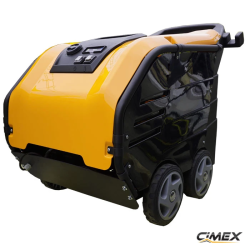
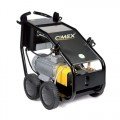
-250x250.jpeg "Professional three-phase pressure washer CIMEX STEAM-25015T.")
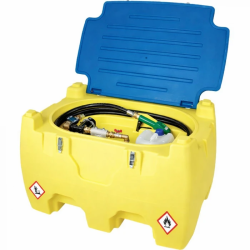
-250x250.png "Mobile refueling tank (diesel) CIMEX Tank2Go 260")