


Floor Sanding Machines
Floor Sanding Machines for Parquet and Hard Surfaces
CIMEX floor sanding machines help prepare and renovate floors, but the correct machine depends on the surface. The matching Bulgarian category describes professional equipment for cleaning, sanding and resurfacing floors. On the current CIMEX.com page, the parquet sanding machines serve timber and wood floor work, while the multifunctional MF430 is listed for harder materials such as mosaic, old concrete, cement and stone. Choose by floor construction and the finish required rather than assuming one machine and abrasive suit every surface.
Parquet and timber floor renovation
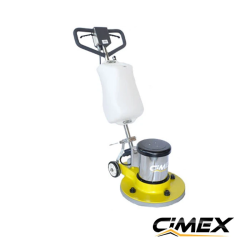
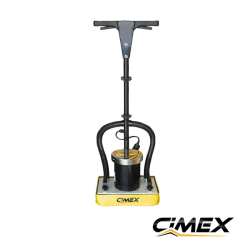
Wood and parquet floors may need sanding to remove an old coating, level minor wear or prepare for a fresh finish. The CIMEX WFS-350 parquet floor sander and the listed parquet sanding machine are intended for this type of work. Compare the working width, sanding action, abrasive format and ability to work near edges. A smaller machine may be easier to manoeuvre in a room with corners and obstacles, while a wider working path can make open areas more efficient.
Before sanding, identify whether the floor is solid wood, parquet or engineered boards. Some engineered floors have a thin wear layer that limits how much material can be removed. Check the floor manufacturer’s guidance and assess loose boards, protruding nails, deep stains and previous finishes. Where the material or remaining wear layer is uncertain, seek professional assessment before starting an aggressive sanding pass.
Hard-surface grinding and cleaning
The CIMEX MF430 is a multifunctional machine shown in this category for grinding mosaic, old concrete, cement, stone and other hard surfaces. That application differs from sanding parquet. A hard-surface tool, pad or segment must be specified for the material and for the MF430’s fitting arrangement. Do not use a concrete-grinding accessory on timber or a wood-floor abrasive on concrete merely because the machine sizes look similar.
For hard floors, clarify the goal: removing a residue, preparing a surface for a coating or improving a worn finish can require different accessories and passes. Check that the floor is suitable for mechanical treatment and that any coating or contaminant can be handled safely. When grinding mineral materials, plan dust extraction and the appropriate respiratory protection for the material and site conditions.
Select abrasives and dust control
Choose an abrasive by its compatible backing size and fixing method, then by grit and floor condition. Start with the least aggressive grit that removes the old finish or defect effectively. Work through intermediate grits as needed rather than jumping from coarse to fine, which can leave visible scratches beneath a new coating. Test in an inconspicuous area, especially on soft timber or a floor with an unknown previous finish.
Dust management affects both the workplace and the final finish. Check the sanding machine’s extraction connection and use a suitable vacuum with filters appropriate for the material. The WFS-350 listing describes a dust-collection connection; it should still be operated with the correct extractor and good housekeeping. Empty and service the extractor as instructed. Keep leads and hoses clear of the work path to avoid dragging them across a newly prepared floor.
Plan the sanding workflow
Clear the room and inspect the floor before moving the machine across it. Repair loose elements and remove metal that could strike the abrasive. Work in orderly passes, maintaining steady movement and avoiding long pauses in one spot. Follow the wood grain or machine-specific method as appropriate. Treat edges and corners with compatible equipment so the finish remains consistent across the floor.
After each pass, inspect the surface under good light and remove dust before changing grit or applying a finish. A sanding machine can prepare the surface, but the coating system has its own requirements for cleanliness, moisture and application conditions. Do not apply a new finish until the floor and coating manufacturer’s criteria are met.
Safe use and machine care
Wear eye, hearing and dust protection appropriate to the material and process. Check the machine, cable, abrasive attachment and extraction hose before starting. Keep the working area ventilated and free of trip hazards. Stop and unplug the machine before changing pads, cleaning or clearing a blockage. Never run a damaged abrasive or a machine with missing guards.
Clean the machine after use, inspect worn pads and brushes where applicable, and store abrasives dry and flat. Browse the CIMEX floor sanding listings to compare the parquet machines with the MF430 hard-surface option. Match the machine, abrasive and dust-control setup to the actual floor before ordering.

-250x250.jpeg "Parquet Sanding Machine")