

Plastering Machines for Mortar, Render and Putty
Plastering machinery helps a finishing crew prepare and apply suitable wall or floor materials at a steady rate. The range includes machines that mix dry plaster with water and deliver the prepared material for application, alongside equipment for pumping and spraying thicker prepared coatings. The practical choice depends on what arrives on site: a dry bagged mix that must be proportioned with water, or a ready-prepared material that needs controlled delivery. Always match the machine to the material manufacturer's approved mixing, grain-size and application requirements.
Automatic mixing and delivery of dry mixes
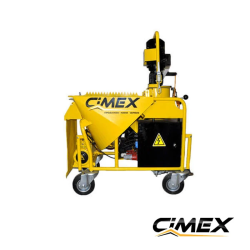
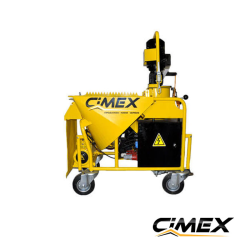
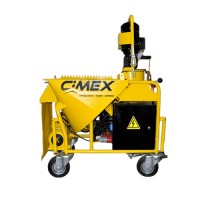
A mixing plaster machine can combine dry material with a controlled water supply, then pump the resulting mix through a hose for application. This workflow is useful on larger runs of interior or exterior plaster where a consistent mix and continuous feed matter. The CIMEX MP-20 is presented for prepared dry plasters, mortar, self-levelling screed and compatible cement-based adhesives. Check the exact product instructions for its material list, grain-size limits, required water connection, output and hose arrangement. A machine rated for one plaster formulation should not automatically be used with every adhesive or screed.
Before work begins, provide the specified electrical and water supplies, plan where bags will be stored and keep a clear path for the delivery hose. Set the water ratio according to the material maker's data sheet, then check the first mixed output for consistency. Excess water can weaken a coating or affect drying; too little can obstruct the pump and make application uneven. Keep the hopper supplied at a stable rate and follow the machine manual when changing mix type or stopping for a break.
Pumping thicker ready-prepared coatings
The CIMEX TSC 8.55 is a plaster and putty applicator with a peristaltic pump and compressed-air-assisted spray gun. Its product listing describes use with compatible dense and textured coatings, plasters and putties, including some materials with mineral fillers. The listed maximum filler size is model-specific; verify the recommended grain size and the actual coating data sheet before choosing a nozzle and hose. Unlike a dry-mix machine, the TSC workflow begins with suitable prepared material in its hopper. Do not assume that it automatically proportions water into a dry bagged product.
Air volume, material flow and nozzle choice affect the spray pattern. A trial application on a small area helps set the rate and finish before covering a full wall or facade. The TSC is listed with a wheeled frame and application accessories, but confirm the current package contents on its product page. Consider the distance to the workface, power supply, access through doors and lift routes, and the time needed to clean hoses and gun after each shift.
Plan the application around the finish
Mechanised delivery can reduce repeated hand mixing and carrying, yet the finish still depends on preparation and technique. Protect adjacent surfaces, check the substrate is sound and suitable for the coating, and follow the primer and temperature requirements of the material. Start at a manageable section, keep a consistent gun distance and overlap, then level or finish the applied material with the tools specified for that system. For self-levelling screed, follow its separate placement and de-aeration procedure rather than using a wall-spray technique.
Calculate the planned area, coating thickness and working time before selecting a machine. A large output only helps when the crew can prepare the surface and finish the material at the same pace. The hose length, vertical delivery requirement and aggregate size may limit the setup as much as the nominal pump flow. Product figures are measured under stated conditions and should be checked for the material and site layout in question.
Protect operators and keep the system clean
Wear the protective equipment required for wet cementitious materials, dust from dry bags and pressurised spraying. Isolate power and release pressure as directed before disconnecting a hose or clearing a blockage. Never point a gun at a person or put a hand near a pressurised outlet. Keep electrical connections away from wet mixing areas and use the supply protection required by the site. At the end of work, flush and clean the mixer or pump, hose, nozzle and hopper before material hardens. Inspect seals, hoses and couplings and replace damaged parts before the next job.
Compare the plastering machines by material format, compatible coatings, site supplies, pumping distance and cleaning workload. Review each CIMEX product listing and the coating manufacturer's instructions together to confirm that the chosen setup will deliver the finish you need.
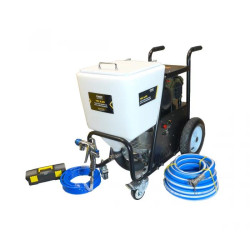
-250x250.jpeg "Plaster and Putty Machine CIMEX TSC 8.55")