

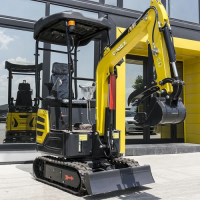
MINI EXCAVATORS
Mini Excavators for Construction, Utilities and Landscaping
A mini excavator brings controlled digging power into places where a larger machine may be difficult to position. On building sites, in gardens and along utility routes, its compact footprint helps the operator work close to existing structures while still moving soil efficiently. The CIMEX range includes CHE12RS mini excavator variants and compatible equipment. Use the product specifications to match the machine and attachment to the access, ground conditions and excavation work on your site.
Where a Compact Excavator Is Useful
Mini excavators are used for foundation preparation, service trenches, drainage, landscaping and small demolition or clearance projects. They can open a trench for a water line, shape a planting area or remove soil beside a wall where working space is limited. Their hydraulic digging action also helps with loading excavated material into a suitable container or vehicle. The right approach depends on the soil, available clearance and the distance the material must travel.
For utility and repair work, compact dimensions can make it easier to reach a garden, courtyard or narrow route without bringing in a full-size excavator. The operator must still identify underground services before digging and allow room for the boom, bucket and machine to move safely. A narrow machine cannot compensate for an unsuitable access route, unstable ground or insufficient working space.
Choose the CHE12RS Configuration for the Site
The category includes the CIMEX CHE12RS and several CHE12RS variants, including models with a cab or an articulated boom. These configurations address different site needs. A cab can provide a more enclosed operator position, while an articulated boom can help place the digging arm in a constrained area. Compare the actual dimensions, operating weight, digging depth, reach, engine information and listed equipment on each product page before selecting a model. Do not assume every variant has identical performance or connections.
Start with the access route: gates, passages, slopes and turning room can determine which machine can reach the work. Next, compare the required trench depth and width with the model's published figures. Consider the volume and type of material to remove, the space available to stockpile it and how the machine will be transported. These checks are more useful than choosing by machine size alone.
Buckets and Hydraulic Attachments
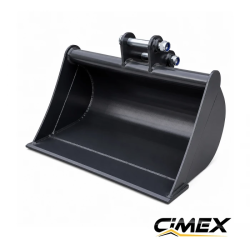
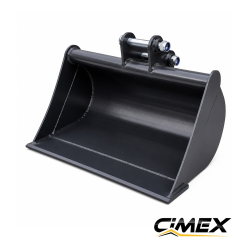
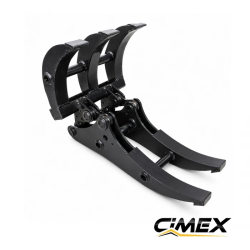
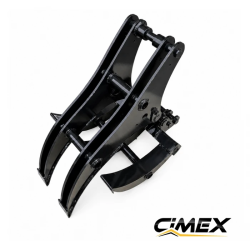
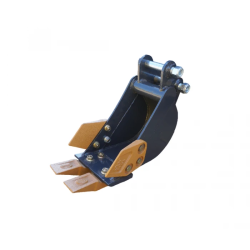
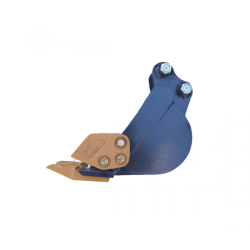
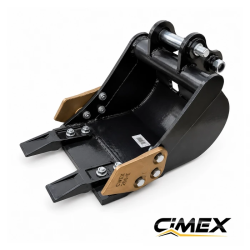
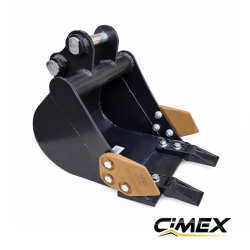
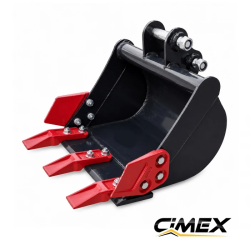
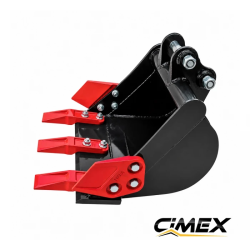
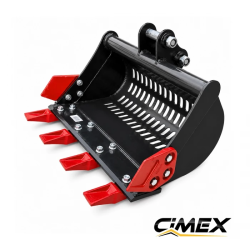
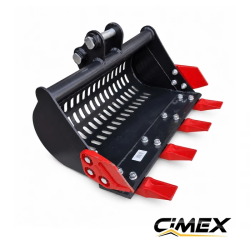
A bucket should fit the work. A narrower digging bucket can be appropriate for service trenches, while a wider grading bucket helps shape or level an area. The CIMEX category lists buckets for the CHE12RS, including a 200 mm excavator bucket and an 800 mm grading bucket, as well as a hydraulic grab and a hydraulic auger. Check each attachment's stated compatibility, dimensions and connection requirements against the exact excavator model before ordering.
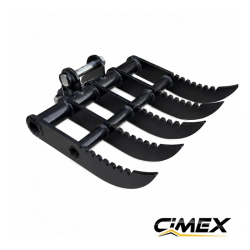
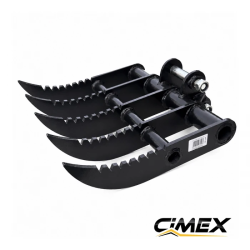
A hydraulic grab may help handle suitable loose material or site debris; an auger is intended for drilling holes, such as for posts or planting. Neither replaces a careful assessment of ground conditions and buried services. If the job changes during a project, confirm that the intended attachment can be installed and operated within the machine's limits rather than assuming that all tools fit every CHE12RS variant.
Plan Productive and Safe Excavation
Mark the work area and locate underground pipes, cables and other services before breaking ground. Check that the machine can stand on firm, suitable ground and that excavated soil can be placed clear of the trench edge. Keep people outside the working radius and use the operator guidance for the specific model. Working beside walls, foundations and trenches calls for particular attention to clearance and ground support.
Good planning also reduces unnecessary repositioning. Determine where the excavator will enter, where spoil will go and how the finished excavation will be checked. For a landscaping job, this may include the final grade and drainage direction. For a utility run, it includes the trench route, service crossings and space to backfill. Match the bucket to the required finish so that the machine performs the bulk digging without creating avoidable hand work.
Compare Mini Excavators at CIMEX
Browse the CHE12RS machines and related attachments in this category to compare the options available for your project. Each product page provides the details needed to assess its configuration and intended use. If you are choosing between a standard, cab or articulated-boom variant, focus on the site constraints and the published specifications. Select compatible buckets or hydraulic tools only after confirming their fit and the demands of the task.
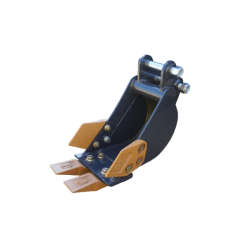
-250x250.jpg "Excavator Bucket for Mini Excavator CIMEX - 200 mm")
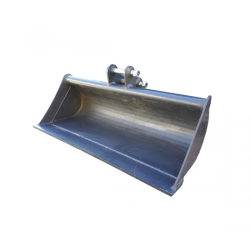
-250x250.png "Grading Bucket for Mini Excavator CIMEX – 800 mm")
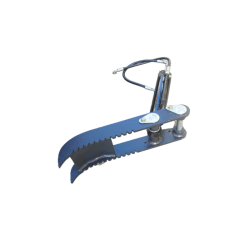
-250x250.png "Hydraulic Grab for Mini Excavator CIMEX CHE12RS-HT")
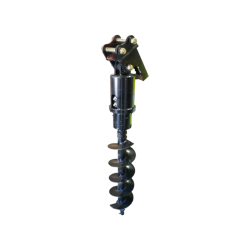
-250x250.png "Hydraulic Auger for Mini Excavator CIMEX")
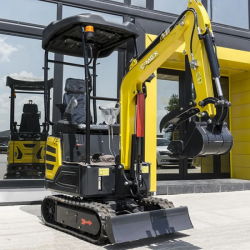
-250x250.png "Mini Excavator Cimex CHE12RS")
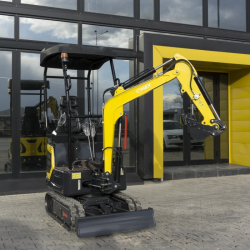
-250x250.jpeg "Mini Excavator Cimex CHE12RS-SB")
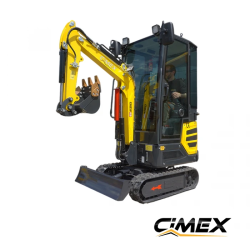
-250x250.jpeg "Mini Excavator Cimex CHE12RS-CAB")
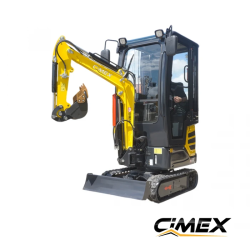
-250x250.jpeg "Mini Excavator Cimex CHE12RS-CAB-SB with Articulated Boom")