

Construction Rubbish Chutes and Waste Chute Components
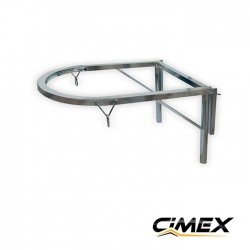
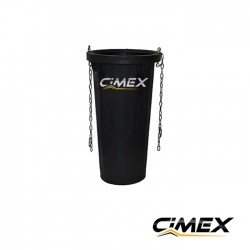
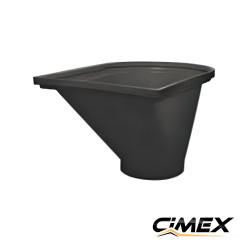
A construction rubbish chute provides a controlled route for debris from an upper work level to a collection container below. On renovation, demolition and fit-out jobs, it helps crews move broken plaster, tiles, brick fragments and other permitted material without carrying every load down stairs. The CIMEX system shown in this category is built from three parts: RC-CMX chute sections, an SH-CMX starting hopper and an RCH-CMX metal fixing frame. Select the number of sections and the support arrangement for the building height, loading points and site layout rather than ordering chute pieces alone.
How a modular construction waste chute works
Individual chute sections form a vertical or appropriately routed sleeve. Each section has a wider upper opening and a narrower lower end so it can feed into the next one. Chains and locking hooks connect the modules as the line is assembled. The modular connections allow quick assembly and dismantling by hand. In practice, the supporting frame and every connection still need careful inspection before waste is discharged.
The RC-CMX section is made from linear low-density polyethylene (LLDPE). This flexible material is chosen to tolerate repeated impact better than a rigid, brittle sleeve and can help reduce noise from falling rubble. It is relatively light for manual handling, but the safe lifting method depends on the height and access of the installation. The product listing gives the dimensions and weight of an individual section; use those figures to estimate how many are needed and how the components will be moved around the site.
Starting hopper and metal fixing frame
The SH-CMX starting hopper provides a practical loading opening. Its shape guides material into the chute line and helps limit pieces falling outside the entry. Position the opening where workers can load it without leaning over an unprotected edge. If waste must be introduced from more than one level, plan the access points and supports in the full system layout instead of cutting improvised holes into standard sections.
The RCH-CMX galvanized steel frame anchors and supports the chute installation. It can be used at the top loading point and, where required by the system design, for intermediate support. The frame listing describes additional anchoring for longer columns. The correct number and spacing of frames depend on the manufacturer's limits, the actual number of chute sections, the mounting structure and local site conditions. Check the frame instructions and the ability of the wall, scaffold or other structure to carry the imposed loads before assembly.
Size the chute route for the work
Start by identifying the highest loading level and the safe position of the skip or waste container. Count the sections needed to reach the container without leaving an uncontrolled drop at the outlet. Consider the shape of balconies or scaffolding, clearance from windows and doors, pedestrian routes, neighbouring property and vehicle access. Keep the chute securely aligned and away from areas where it could swing into people or equipment.
Material type matters too. The chute is intended for suitable construction debris, not every item removed from a building. Do not feed long pieces, oversized blocks, liquids, hot material or loads that can bridge the chute or exceed the manufacturer's instructions. Break waste into manageable sizes and control the rate of loading so the outlet does not become blocked. A chute is a means of moving waste to a designated container; sort and dispose of the waste according to the site's requirements.
Install, use and inspect the system safely
Plan a safe working platform and lifting method before fitting the first frame. Anchor the support to an approved structure, connect sections with their chains and locking hooks, and follow the manufacturer's sequence for adding intermediate supports. Protect loading points with appropriate edge protection and keep people away from the outlet and the area beneath the installation. Before first use, inspect every section, chain, hook and frame for wear, cracks or looseness.
During use, designate a clear loading point and keep the receiving container positioned to catch the discharge. Manage dust and noise with the controls required for the site. If material jams, stop loading and use an approved clearing procedure; never climb on the chute or strike a suspended section without securing it. Reinspect connections after movement, severe weather or a change in the route. Remove sections in a planned order when dismantling, then clean and stack them so the openings and connectors are not damaged.
Compare the CIMEX RC-CMX chute, SH-CMX starting hopper and RCH-CMX frame listings for dimensions, compatible connections and installation limits. Together they provide a modular way to move permitted construction waste from the work level to the collection point while keeping the route and support system under control.