


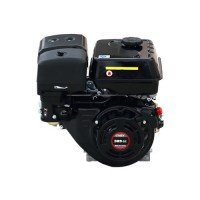
Four-Stroke Replacement Engines for Professional Equipment
Petrol Engines for Garden and Construction Machinery
CIMEX petrol engines provide power for compatible garden equipment and light construction machines. The Bulgarian CIMEX range describes durable petrol engines in several power and technical configurations, intended for demanding work. Whether you are replacing a worn engine or choosing a power unit for a new machine, start with the equipment requirements rather than the engine’s horsepower alone. The correct fit depends on the shaft, mounting points, operating speed and controls as well as the expected load.
Where a four-stroke petrol engine can be used
These engines can serve cultivators, walk-behind tractors and other garden machinery, as well as compatible plate compactors and concrete power trowels. They may also suit other small machines that use a separate petrol power unit. The application examples describe potential uses, not universal interchangeability: each machine’s transmission, clutch, guard and mounting arrangement must match the selected engine.
A replacement engine can restore a machine that is otherwise serviceable, while a correctly specified engine can support a new equipment build. In either case, compare the original engine’s documentation with the specifications of the CIMEX model under consideration. Check the machine manufacturer’s limits before increasing power or changing the engine type.
Compare the CIMEX engine range
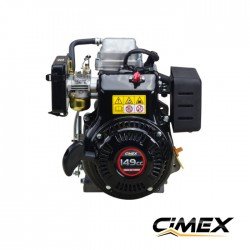
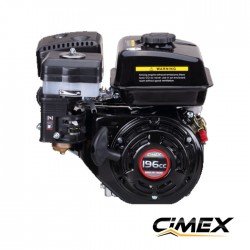
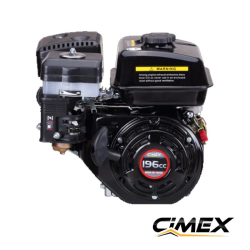
The catalogue includes G100, G200, G270 and G390 petrol engine models. Their listed power classes span approximately 4.3 hp, 6.5 hp, 9 hp and 13 hp respectively. A smaller engine may be appropriate for a compact application; larger equipment may require more torque and a higher output. These figures are a starting point only. Review the current product page for the exact displacement, rated output, shaft specification, starting system and supplied components of the particular engine.
Power requirements vary with the load cycle. A machine that drives a plate compactor or power trowel can impose a different demand from a cultivator, even when the quoted horsepower seems similar. Allow for the working load, drive losses and the original equipment maker’s recommendations. Choosing an engine that merely starts the machine does not establish that it can run it reliably through a full job.
How to check replacement engine compatibility
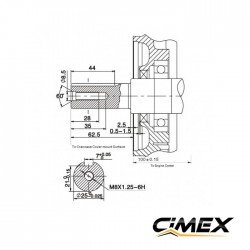
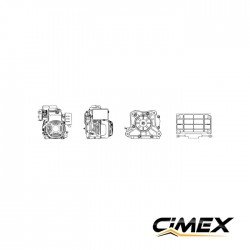
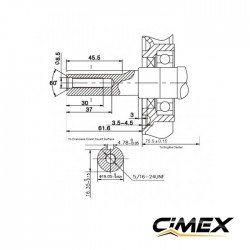
Measure the output shaft diameter and usable length, then identify whether it is keyed, threaded or otherwise configured for the existing pulley or coupling. Check the shaft orientation and direction of rotation, the bolt-hole pattern and the space available for the fuel tank, exhaust and air filter. A matching power rating will not compensate for a shaft or mounting pattern that does not fit.
Also compare the intended operating speed, throttle and stop controls, starting method and any electrical connection. Some equipment uses a clutch or belt drive that must engage at a particular speed. Confirm that the replacement can connect to the machine’s existing controls without unsafe modifications. If the old engine’s identification plate is readable, record its model and configuration before ordering; photographs and measurements can help resolve differences between versions.
Installation and everyday care
Install a petrol engine on a stable mounting surface and follow the machine and engine instructions for alignment, fasteners and guards. Check that the drive coupling runs true and that moving and hot parts remain protected. Position the engine so there is room for airflow, refuelling and routine maintenance. Exhaust gases are hazardous in enclosed spaces, so operate petrol-powered equipment only where ventilation is appropriate for the machine and task.
Before starting, use the specified fuel and engine oil, check the oil level and inspect the air filter. Keep cooling areas clear of dust and debris, particularly on construction sites. Follow the model-specific maintenance schedule for oil changes, filter service and spark-plug inspection. Stop the engine and let it cool before refuelling or carrying out work around the drive. Good maintenance helps preserve starting performance and reduces avoidable downtime.
Choose the engine that fits your machine
Browse the CIMEX petrol engine listings to compare the available G-series models and their current technical details. For a direct replacement, match the original engine’s mechanical and operating specifications first; for a new build, start with the driven machine’s required load and installation layout. If a key measurement is missing, verify it before purchase. A suitable engine is one that fits, drives the equipment within its design limits and can be serviced in its installed position.
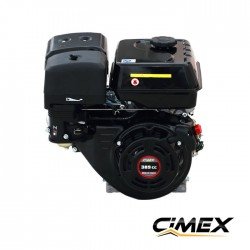
-250x250.jpg "Petrol Engine 6.5 HP CIMEX G200")
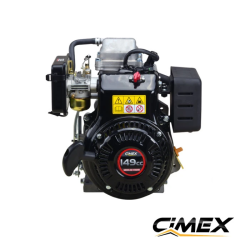
-250x250.png "Gasoline Engine 4.3 HP CIMEX G100")
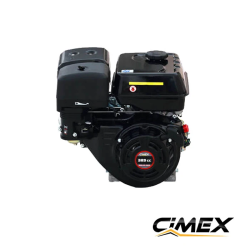
-250x250.png "Gasoline Engine 9.0 HP CIMEX G270")
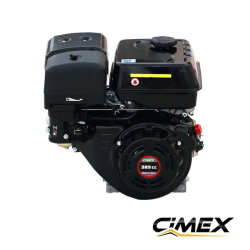
-250x250.jpeg "13 HP Gasoline Engine CIMEX G390")