

Rebar Cutting, Bending and Tying Machines
Preparing reinforcement steel is a routine but exacting stage of concrete construction. Bars must be cut to the scheduled length, bent to the specified shape and secured in position before concrete is placed. CIMEX rebar machinery covers these separate tasks for reinforcement yards and construction teams: dedicated cutting and bending tools, combined cutting and bending machines, and cordless rebar tying machines. Select the equipment from the bar schedule and the actual steel grade, diameter and workload rather than from the broad category name alone.
Cut reinforcing bars to the required length
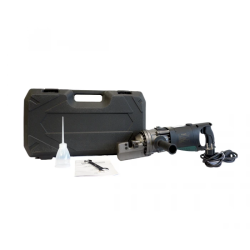
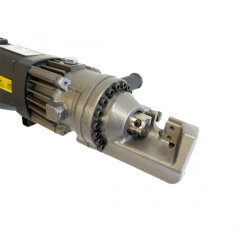
A rebar cutting machine produces repeatable pieces for foundations, beams, columns, slabs and other reinforced concrete work. The compact CIMEX RC-16 is listed for cutting a single reinforcing bar from 4 to 16 mm. Larger combined ARM-C machines also have cutting modes, so they may suit a yard that needs both operations in one station. A machine's permitted cutting capacity can change when several bars are cut together or when steel strength differs. Read the individual model's specification before deciding on the bar size and number of bars per stroke.
Accurate cutting starts with a clear length mark, a secure and level machine position, and a supported bar that cannot shift during the stroke. Keep hands away from the cutting head, allow space for the offcut and check blades for wear. A clean cut makes the following bend and assembly work easier; it does not replace the need to confirm dimensions against the reinforcement drawing.
Bend rebar to the specified shape
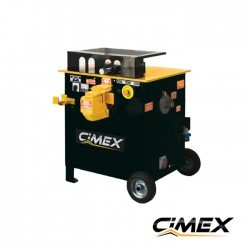
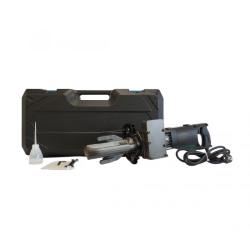
Rebar bending machines form bars, links and stirrups for the concrete element being built. The CIMEX RB-16 is a dedicated bending model, while the ARM-C range combines bending with cutting. Compare the permitted bar diameter, bending direction, pin and roller arrangement, and available angle settings for the particular model. The figures in model names are not a substitute for the published specification: cutting and bending capacities can differ on the same combined machine.
Set the bending pins and stops for the required shape, then make a trial piece and measure it before repeating a batch. Bar grade, bend radius and project tolerances matter. Avoid improvised bends that could damage the steel or fall outside the structural design. A stable work surface and room for the free end of the bar help operators keep control as the bar rotates around the bending point.
When a combined cutting and bending machine helps
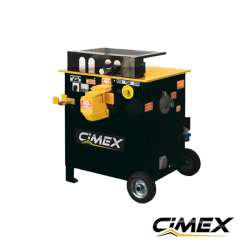
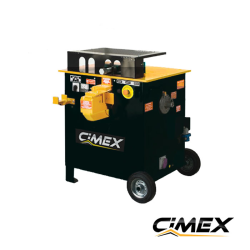
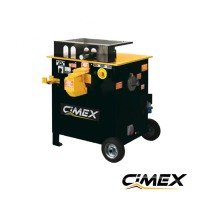
Combined rebar machines are useful when a team regularly prepares several shapes and lengths at one work station. CIMEX lists ARM-C24/28, ARM-C26/32, ARM-C30/35 and ARM-C38/45 models in this category. They provide cutting and bending functions in one machine, but their capacities and operating requirements are model specific. The ARM-C38/45 product listing, for example, states cutting up to 30 mm and bending up to 40 mm. Check the exact machine and steel grade before matching it to a bar schedule.
For a small volume of straight cut pieces, a dedicated cutter may be simpler to position and use. If most work involves shaped bars, a dedicated bender can be the better match. A combined unit becomes practical when both steps occur frequently and workspace, transport or machine staffing favour one station. Compare the expected daily quantity, bar diameters, available electrical supply and handling space as well as the purchase price.
Cordless rebar tying at the assembly stage
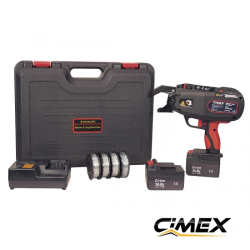
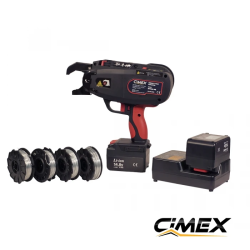
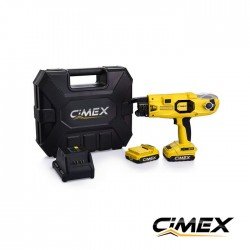
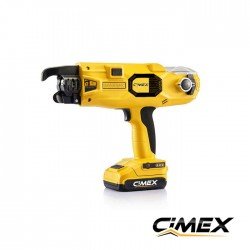
Cutting and bending prepare the steel; tying holds bars at their intersections while the reinforcement cage or mat is assembled. CIMEX.com also lists cordless rebar tying tools, including RT2640 and RTM4.45. A tying machine can reduce repetitive manual twisting on projects with many similar joints. It does not change the required overlap, bar spacing or structural detail. Check the supported combination of bar diameters, compatible tying wire, battery system and access around the joint for each tool.
Keep the wire path clean, follow the tool's instructions when changing a roll and inspect a trial tie for secure placement. If joints are close to formwork or in a congested cage, confirm that the tool nose can reach the intersection before planning the whole job around machine tying.
Choose the right rebar preparation setup
Start with the reinforcement drawings: list the bar grade, maximum and common diameters, cut lengths, bends, quantities and tie locations. Then compare each CIMEX model's rated capacity and accessories with that schedule. Plan how long stock will be supported, where finished pieces will be stacked and how offcuts will be collected. Provide the power supply required by the selected cutting or bending machine; cordless tying tools need charged, compatible batteries.
Train operators in the machine controls, keep guards and emergency stops functional, and isolate power before changing blades, pins or rollers. Wear eye protection and suitable gloves for handling steel, and keep others clear of moving bars and offcuts. Product listings give the machine-specific limits and included equipment. Use those details alongside the project's engineering requirements to select rebar machinery that cuts, bends and ties accurately through the planned workload.
-250x250.jpeg "Rebar Bending Machine RB-16")