

Inverter Welders, MIG/MAG & Gasless Wire-Feed Machines
Welding Machines for MMA, MIG/MAG and Lift TIG Work
Welding equipment must match the metal, joint, working location and time spent under load. The CIMEX range includes inverter MMA welders, wire-feed machines for gas-shielded or suitable gasless wire, selected multi-process units with Lift TIG, and an engine-driven welding generator for sites without mains power. The category serves fabrication, construction, repair workshops, installation teams and demanding maintenance jobs. Choose the process and rated output from the actual weld procedure and the machine's specification, rather than relying only on a headline amperage.
Inverter MMA welders for electrode work
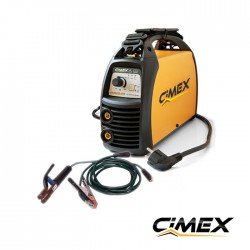
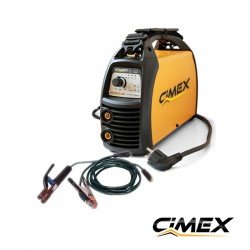
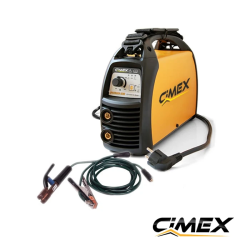
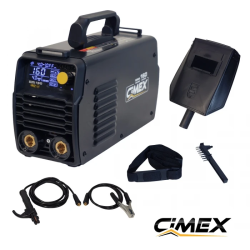
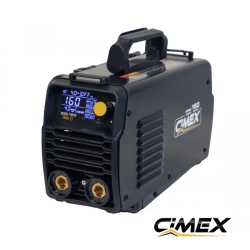
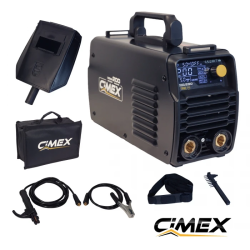
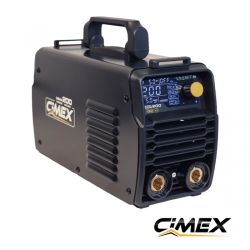
Manual metal arc welding, also called MMA or stick welding, uses a coated electrode and is a practical process for structural repairs, site fabrication and work where moving a shielding-gas cylinder would be inconvenient. CIMEX lists compact ARC and MMA inverter machines with different current ratings. Check the electrode diameters, base material, supply voltage and permitted current range for the model. Arc-force, hot-start and anti-stick controls are available on some product pages; confirm the functions on the exact unit before ordering.
For thicker sections or a long run of welds, consider the current required by the electrode and how long the machine can sustain it. Match the earth clamp, electrode holder and cable cross-section to the work. Prepare clean contact points and maintain a sound return path. A compact inverter can be convenient to carry, but its duty cycle and electrical input still determine whether it is suitable for repeated production welds.
Wire-feed welding with or without shielding gas
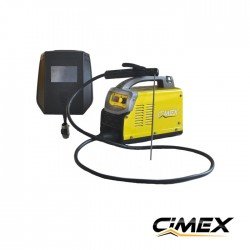
MIG/MAG wire-feed welding supports repeated seams and controlled travel on suitable steel fabrication and repair tasks. A gas-shielded setup requires the correct wire, shielding gas, regulator and flow for the material and joint. A gasless setup uses compatible self-shielded flux-cored wire and avoids a separate gas cylinder, which can help on mobile jobs. The two setups are not interchangeable without checking the machine's supported process, polarity and consumables.
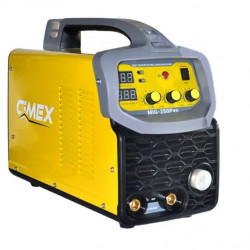
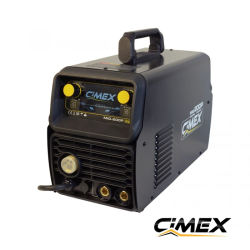
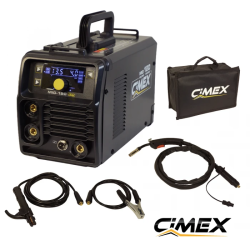
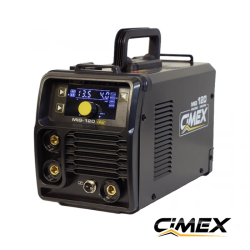
CIMEX.com lists a compact MIG-120 multi-process machine and a MIG-200P model with gas-shielded MIG/MAG and additional welding modes. Compare wire diameter, spool size, feed adjustment, welding current, torch connection and the available power supply. The quality of a wire-feed weld depends on joint preparation, correct settings and technique as well as the machine. Test a sample joint and adjust voltage, wire speed and shielding to the material manufacturer's guidance before beginning production work.
Multi-process machines and Lift TIG options
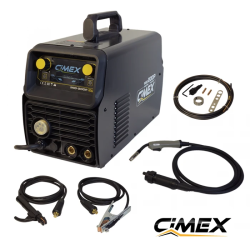
Some listed CIMEX machines combine MMA, MIG/MAG and Lift TIG functions. A multi-process unit may reduce the number of separate power sources needed in a workshop or service vehicle, but each mode still needs the right torch, consumables and setup. Lift TIG is an arc-start method for suitable TIG work; do not assume a product includes a TIG torch, gas equipment or every accessory required. Read the scope of delivery and supported processes in the individual listing.
Use the metal type and finish requirement to decide whether a multi-process machine meets the job. A workshop making many short steel repairs has different needs from a team producing long, repeatable seams or precision TIG joints. Review the product's process-specific current range and duty cycle rather than assuming one quoted maximum applies identically to every mode.
Understand rated current and duty cycle
Welding current indicates the output available for the selected process; duty cycle describes the proportion of a stated time period for which the machine can weld at a specified current under stated conditions. CIMEX describes a 30% duty cycle at maximum stated current for some featured models. Verify that figure on the product you choose, since output and duty-cycle values vary by model and operating mode. At a lower current, a machine may permit longer welding periods, but the exact curve belongs to its technical specification.
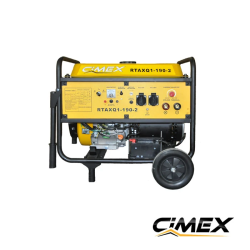
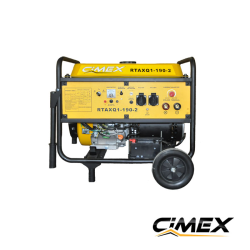
Check input power as carefully as output. A site socket, extension lead or generator must support the welder's starting and continuous demand. Undersized leads can cause voltage drop and unstable performance. If the work site has no mains supply, the category also lists an engine-driven welding generator. Compare its welding output and auxiliary power separately; the presence of a 3.5 kW generator does not mean every connected tool can run at full power while welding.
Plan a safe and practical welding setup
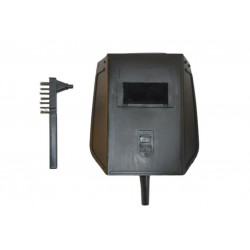
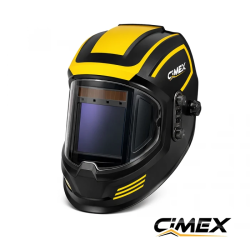
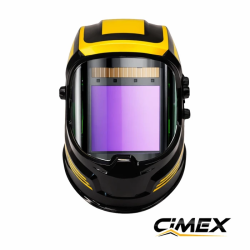
Protect the operator and nearby people from arc radiation, heat, sparks, fumes and electric shock. Use an appropriately rated welding helmet, gloves and clothing, keep combustible material away and provide ventilation suitable for the metal and coating being welded. The live catalogue includes an auto-darkening mask, but check its shade range and intended process before selecting it. Disconnect power before changing internal components and inspect cables, torch, clamp and gas lines before each session.
Compare CIMEX welding machines by supported process, usable current, duty cycle, input supply, portability, controls and included accessories. Check the exact product page for warranty, service, availability and any trial or rental option, as these can change. A process-matched welder with the right consumables and supply is more useful than a higher headline rating that does not fit the work.