

Petrol, Diesel, Inverter and Standby Generators
Petrol, Diesel and Inverter Power Generators
A power generator supplies electricity when the mains is unavailable or when a planned backup source is needed. The CIMEX range includes portable petrol generators, compact inverter generators and larger diesel generator sets for construction sites, agriculture, workshops, events, homes and commercial buildings. The useful choice depends on the connected load, how long it must run, the required voltage and phase, and whether the set will be moved between jobs or installed as standby power.
Match the generator type to the task
Portable petrol generators
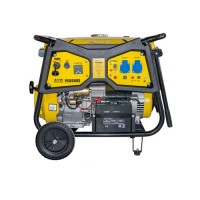
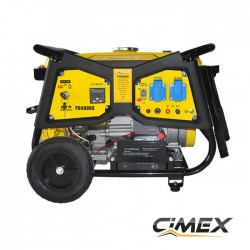
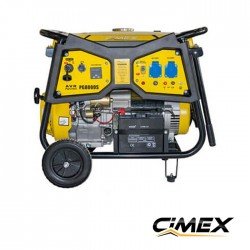
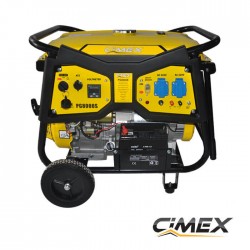
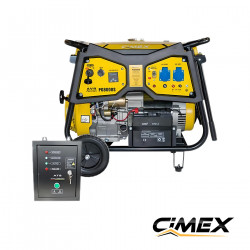
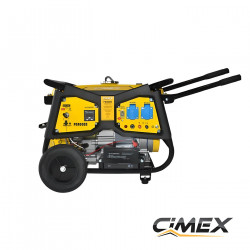
Petrol generators suit mobile site work, temporary lighting, tools and occasional backup. They are practical where transport and a quick setup matter more than long continuous operating hours. CIMEX.com lists portable PG-series models, including PG4000S and PG8000S. Check each product's rated continuous output, outlets, starting method, tank size and voltage regulation. A model with a quoted maximum power may deliver less continuously, so size the load against the rated figure rather than the largest number in its name.
Inverter generators
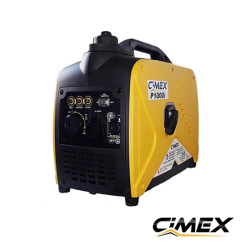
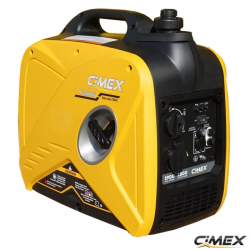
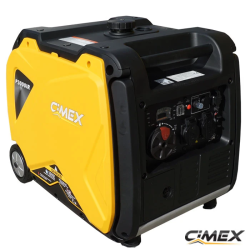
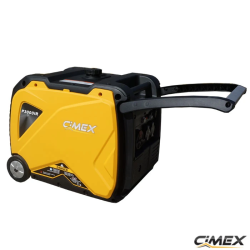
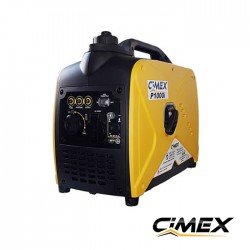
Inverter generators are a compact option for lighter loads that need stable output within the limits of the particular model. CIMEX lists P1000i and P2000i units as well as a larger P3000iR model. They can be useful for field work, mobile service or suitable electronic devices when the total running and starting demand fits the set. An inverter label alone does not guarantee compatibility with every computer, charger or medical device. Follow the equipment manufacturer's power-quality and earthing requirements before connecting sensitive loads.
Diesel generator sets
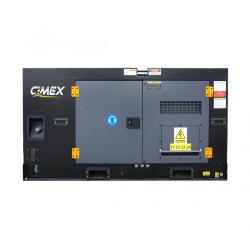
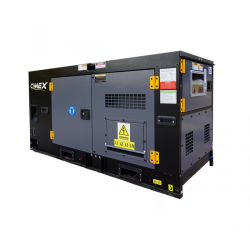
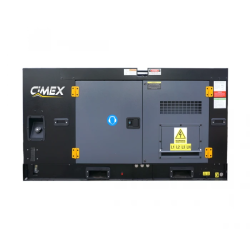
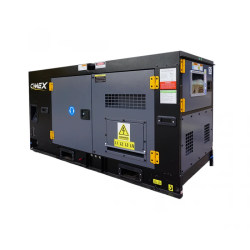
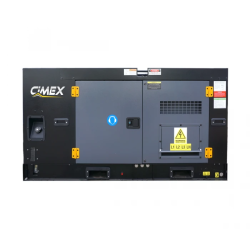
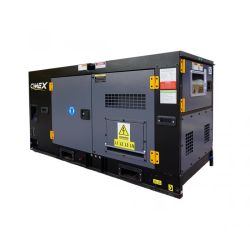
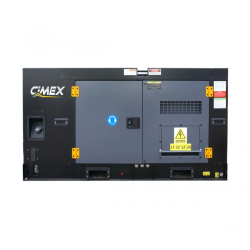
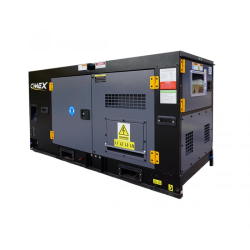
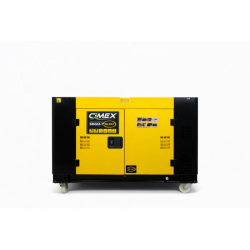
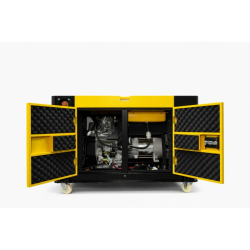
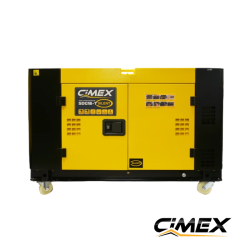
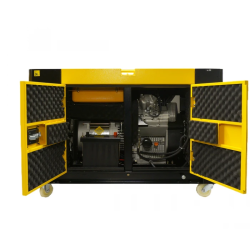
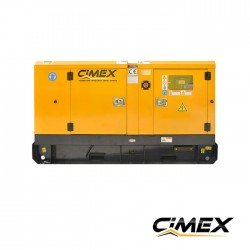
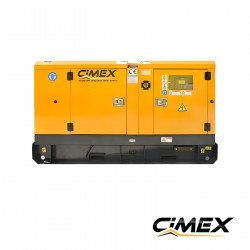
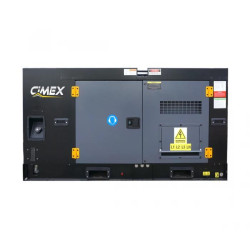
Diesel generators cover larger or longer-duration duties. The CIMEX SDG range includes sound-attenuated models for prime or emergency supply, from smaller building-sized sets to high-output units. Some listed mobile diesel models offer single-phase and three-phase output or an automatic-transfer arrangement. Compare the exact model's rated output, duty classification, enclosure, fuel consumption, service interval and installation requirements. A diesel set that is well sized for a building may be unnecessarily large for a few portable tools.
Calculate running power and starting demand
List every item that will run at the same time and add its continuous electrical demand. Include lighting, pumps, compressors, heaters, chargers, controls and other equipment likely to operate together. Motors can draw substantially more power while starting than during normal running, so allow for the highest realistic starting combination. For a variable load, consider the order in which equipment will be switched on and the generator's response to a sudden step load.
Product pages may express output in kW, kVA or both. These are not interchangeable without considering power factor. Confirm the rated kW and kVA, not just a headline maximum, against the installation design. If the set feeds a building, an electrician should assess the actual load schedule and protection. Oversizing solely from a rough total can waste fuel and create poor operating conditions; undersizing causes nuisance trips, voltage dips or failed starts.
Check phase, voltage regulation and connections
A single-phase generator is appropriate for compatible 230 V loads. Three-phase equipment requires a generator and distribution arrangement suited to its voltage, current and phase balance. A three-phase rating does not mean the full quoted output is available from one single-phase socket. Check outlet ratings and the manufacturer's limits for uneven loading before connecting tools or a building supply.
Automatic voltage regulation, often called AVR, helps control output voltage on models that include it. It is one part of the decision for sensitive equipment, alongside frequency stability, waveform, transient response and the connected device's tolerance. Confirm the feature on the specific CIMEX model rather than assuming every generator in the category has it. Use correctly rated cables, plugs, earthing and protective devices for the site and the selected set.
Plan standby power and automatic transfer
For outages, decide which circuits genuinely need power and for how long. A compatible automatic transfer switch (ATS) can detect a mains failure, start a suitably equipped generator and transfer the selected load according to the system design. Some CIMEX product listings include an ATS panel or a socket for one; others do not. An ATS connection is not an accessory to improvise: a qualified electrician must design and install the changeover so the generator cannot back-feed the grid and the protection works in both supply modes.
Allow for start-up time, fuel storage, periodic testing and maintenance. If the installation supports critical operations, assess the required continuity and any separate uninterruptible supply. Position the generator outdoors or in an engineered installation with adequate ventilation, safe exhaust discharge and access for service. Never run an engine-driven set in a building, garage or other enclosed space because exhaust contains carbon monoxide.
Compare the complete operating requirements
Before ordering, compare continuous output, peak and motor-start capability, phase, voltage, fuel type, noise, dimensions, transport method, runtime and ATS compatibility. Consider the distance to the load and the cable sizes required. The live CIMEX listings span portable petrol and inverter units through sound-attenuated diesel sets, so use each product's technical sheet to confirm its actual rating and included equipment. A correctly matched generator delivers useful site or standby power while remaining safe to connect, operate and maintain.
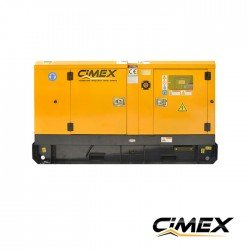
-250x250.png "Diesel Generator 200 kW, Soundproof CIMEX SDG220")