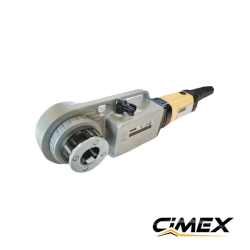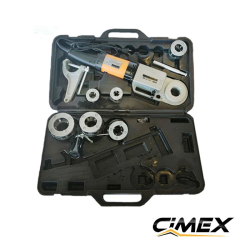


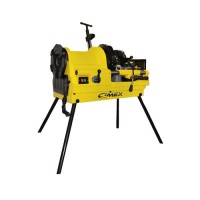
Power Threading Machinery for Steel Pipes
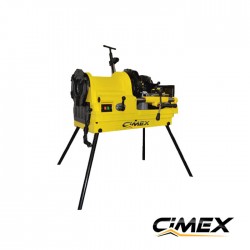
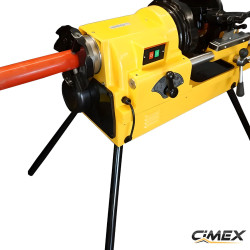
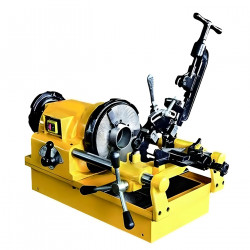
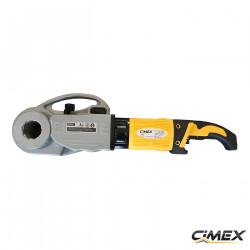
Pipe threading machines cut external threads so steel pipes can be joined with compatible threaded fittings. The Bulgarian CIMEX category describes the PTM series as electric pipe threaders for site and workshop use, with models for different pipe diameters. These are threading machines, not pipe benders: they hold and rotate a pipe while cutting the required thread. The current CIMEX.com range lists PTM2, PTM3 and PTM4, allowing buyers to match machine capacity to the pipe sizes they handle.
Choose PTM2, PTM3 or PTM4 by Pipe Size
The key distinction between the three PTM models is their stated maximum threading diameter. The Bulgarian source lists PTM2 for pipes up to 2 inches, PTM3 up to 3 inches and PTM4 up to 4 inches, with a ½-inch lower size mentioned for the range. Check the current specification for the exact model, its dies and the pipe material before ordering. A machine's nominal capacity does not establish that every pipe wall, coating or thread standard is supported.
Consider the work you perform most often, not only the largest pipe you may encounter once. A smaller threader may be easier to position or transport for routine installations, while larger capacity can matter for commercial pipework. Compare machine dimensions, weight, power supply and available workspace. Leave room for the full pipe length, supports, operator movement and safe removal of cut pieces.
Cutting, Reaming and Threading in One Workflow
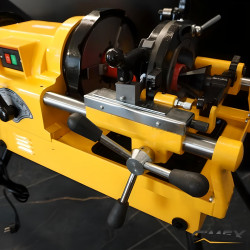
The Bulgarian CIMEX description notes an integrated pipe cutter and internal reaming tool on the PTM series. Cutting the pipe square before threading helps prepare a clean end. Reaming removes burrs from the inside of the cut pipe, and the threader then forms the external thread. Follow the model's operating sequence and inspect each step; an uneven cut or a damaged end can affect the finished connection.
Check what cutting and reaming equipment is included with the specific product. The appropriate threading dies must match the pipe diameter and required thread form. Do not substitute a die merely because it fits the head. If your project follows a specified pipe-thread standard, confirm it against the product information and the fittings you will use.
Threading Oil and Machine Setup
Thread cutting creates heat and metal swarf. The Bulgarian source describes automatic lubrication with filtered, recirculated threading fluid. Use the fluid recommended for the machine and the pipe material; maintain the reservoir and filtration system as directed. Keep the cutting area clean so chips do not interfere with the dies or moving parts. Check the oil supply before a run rather than waiting for a poor thread finish to reveal a problem.
Set the machine on a stable support at a suitable working height and support long pipe lengths independently. The Bulgarian category says the PTM machines use single-phase electric motors and include legs to raise the working position, but electrical details and supplied accessories should be confirmed on the current product page. Keep cables away from the cutting zone and follow the machine's guidance for clamping and feeding the pipe.
Inspect the Finished Thread
After threading, remove chips and examine the thread for damage, incomplete form or excessive tearing. Use the appropriate gauge or fitting check specified for the job, without forcing a connection that does not engage correctly. Thread length, sealant and tightening method depend on the pipework system and its standard. A clean, correctly formed thread helps the fitting seat as intended; it does not remove the need for the required installation and pressure checks.
Metal chips can be sharp. Wear suitable eye protection, keep loose clothing away from rotating parts and wait for the machine to stop before removing swarf or adjusting components. Isolate power before changing dies or servicing the cutting head. Follow the manufacturer's maintenance instructions for the motor, cutter, reamer and oil system.
Compare CIMEX Pipe Threading Machines
Browse the PTM2, PTM3 and PTM4 listings to compare supported pipe sizes and the equipment supplied with each model. Match the threader to your fittings, working environment and expected workload. The right setup combines an appropriate machine, correct dies, sound pipe support and suitable cutting fluid to produce repeatable threaded pipe ends.
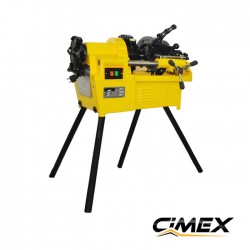
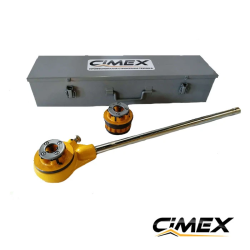
-250x250.jpg "Manual Thread Cutting Machine CIMEX TSCV – up to 2\"")