

Sawing and Cutting Machinery for Construction Materials
Cutting concrete, asphalt, tiles, bricks and paving blocks calls for different tools. The Bulgarian CIMEX cutting-machinery category brings together tile saws, masonry saw benches, block and slab splitters, floor saws and wall cutting machines. Choose equipment by material, required cut, working location and available power. The current CIMEX.com catalogue lets you compare these specialist groups and their individual machines rather than treating every cut as the same task.
Tile Saws for Straight and Repeated Cuts
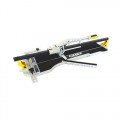
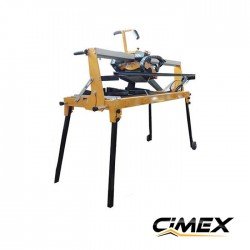
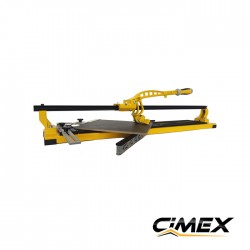
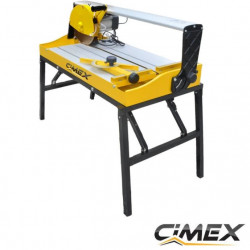
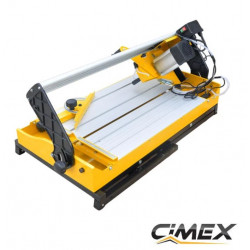
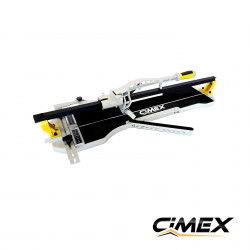
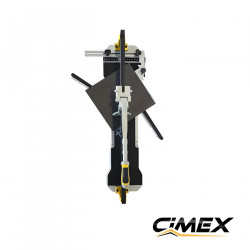
Bridge tile saws and other tile-cutting tables support controlled cutting of ceramic, porcelain and compatible stone or slab materials, according to each model's specifications. A stable table and guided cutting head help when a project needs repeated dimensions or clean, straight edges. Check the maximum cutting length, depth and blade diameter against the largest tile you plan to use. Large-format material also needs adequate support before and after the blade.
Match the blade to the tile and the machine. A blade suited to one material may chip a hard porcelain surface or wear rapidly in another. Follow the manufacturer's guidance for wet cutting and water supply where the machine uses it. Plan how to contain slurry and keep the working area orderly, especially during indoor finishing work.
Masonry Saws and Block Splitters
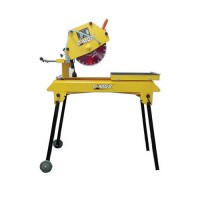
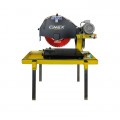
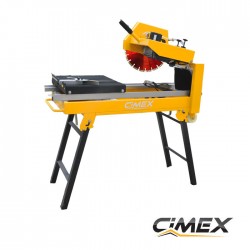
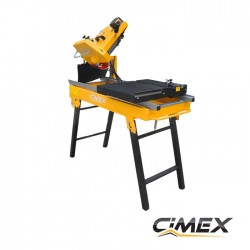
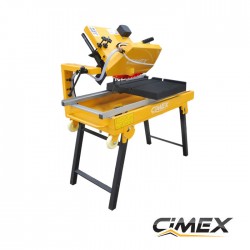
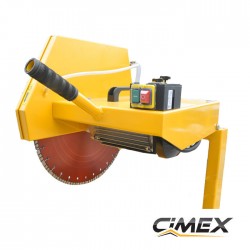
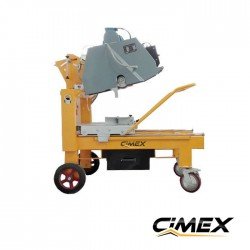
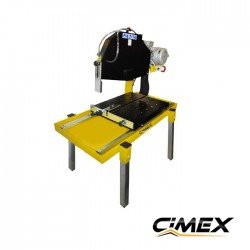
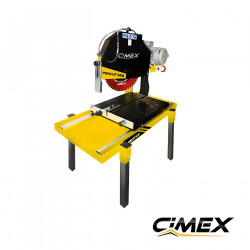
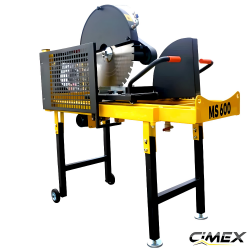
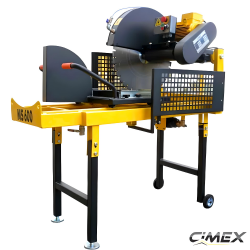
Masonry saw benches are intended for bricks, roof tiles, concrete blocks and other compatible building units. They can help make accurate repeat cuts for walling and roofing work. Compare cutting depth, table size and blade compatibility; a piece must fit safely on the table and remain supported throughout the cut. For high-volume work, consider how material will be brought to the saw and how offcuts will be cleared.
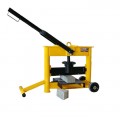
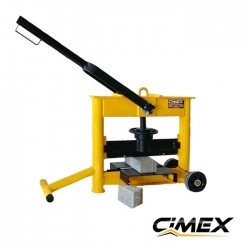
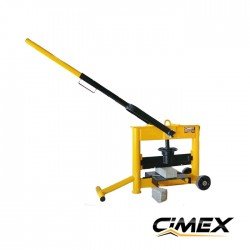
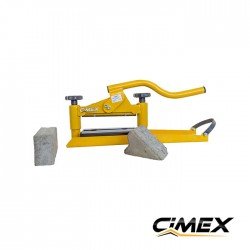
A block or slab splitter works differently. It fractures suitable paving blocks or slabs mechanically, without a rotating saw blade. This can be useful for fitting paving at edges and around features. The resulting edge and material compatibility depend on the block and splitter. Choose a saw where the project requires a precise sawn face, a shaped cut or a material the splitter cannot handle. Check the opening, splitting length and thickness limits of the selected tool.
Floor Saws for Concrete and Asphalt
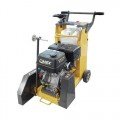
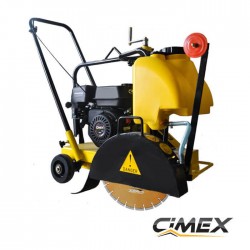
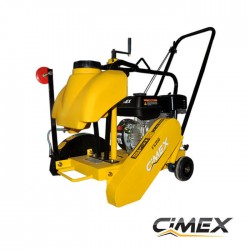
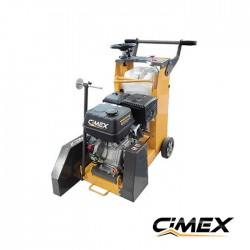
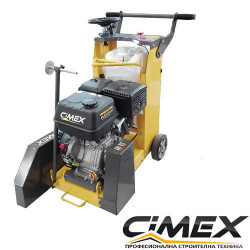
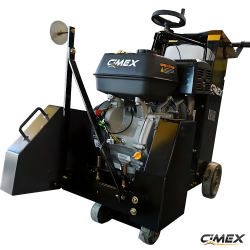
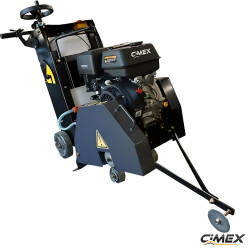
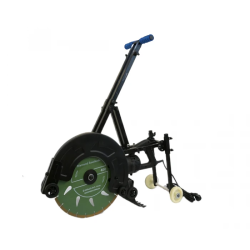
Walk-behind floor saws cut into pavements, concrete floors and asphalt surfaces. Typical tasks include repair boundaries, utility-channel edges and planned movement or expansion joints. The Bulgarian source highlights infrastructure work and industrial-building floors. A floor saw can guide a consistent line over a longer run, but the blade, machine power and cutting depth must suit the surface and job.
Before selecting a floor saw, establish the required cut depth and length, the material and whether the work is indoors or outdoors. Compare the maximum blade diameter, practical cutting depth, drive type and water arrangements on the product page. Plan access for the machine and operator, including turns and obstacles. For a deep cut, follow the manufacturer's recommended sequence rather than forcing full depth in one pass. Arrange safe control of dust, slurry and traffic around the work area.
Wall Cutting Machines
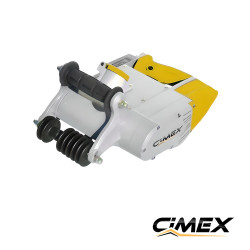
Wall cutting machines address vertical surfaces and openings where a floor saw cannot work. Check the machine's permitted material, cutting depth, mounting method and blade requirements. Wall work can involve hidden reinforcement and services, structural implications and falling cut sections. Confirm the method with the site designer or responsible contractor when an opening affects a load-bearing element, then secure the work area and support removed material as required.
How to Choose the Right Cutting Machine
Begin with four details: the material, its thickness, the required cut shape and the number of cuts. A table saw may suit repeated tile or brick cuts; a splitter may suit paving edges; a floor saw is designed for longer horizontal cuts; and a wall machine addresses suitable vertical work. Next check blade or splitter capacity, machine dimensions, power or fuel supply, and the amount of water or dust control needed at the site.
Review the particular model rather than relying on a category label. Check whether the blade is included, which blade types are compatible, and what accessories or water supply the machine requires. Consider transport, setup space and cleaning time as part of the workload. A correctly matched machine and cutting consumable can improve the consistency of cuts and reduce avoidable breakage.
Prepare and Operate Safely
Mark cut lines and confirm that hidden electricity, water, gas or communication services are located before cutting. Inspect the machine, guard, blade and cable or fuel system before use. Use the protective equipment and cutting method specified in the manual. Keep hands clear of the cutting path, support the workpiece, and wait for the blade to stop fully before adjustments or cleaning. Provide suitable ventilation and dust control; cutting concrete and masonry can produce hazardous dust.
Browse CIMEX tile saws, masonry saws, block splitters, floor saws and wall cutting machines to compare the verified specifications. Match the equipment to the material and planned cut for efficient, controlled site work.

-250x250.png "Stand for Handheld Electric Tile Cutter CIMEX HS429")
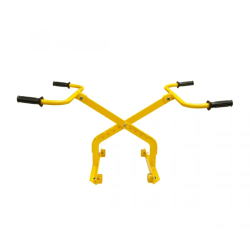
-250x250.jpg "Handle for Stone and Concrete Blocks CIMEX BH75250, Double")
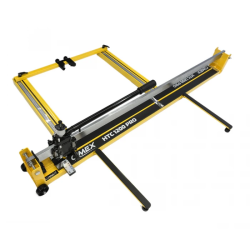
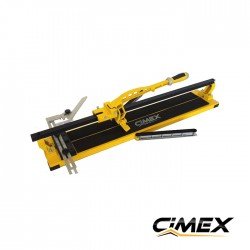
-250x250.png "Manual Tile and Porcelain Cutting Machine CIMEX HTC-1200 PRO")
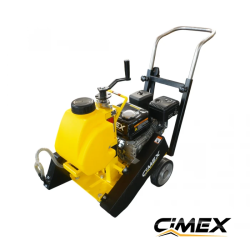
-250x250.jpeg "Joint Cutter Trolley CIMEX FS350N, 350mm")
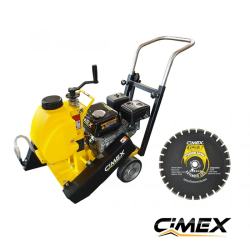
-250x250.png "Diamond Blade for Concrete Ø500 mm – Professional")
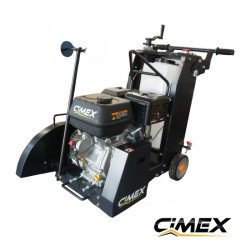
-250x250.jpeg "CIMEX FS500RS Floor Saw Cart, 15hp, 500mm")
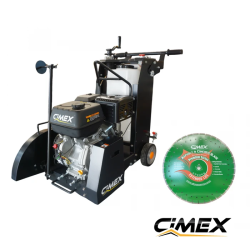
-250x250.png "PROMO PACKAGE! FS500RS Floor Saw + Combined Diamond Blade for Concrete and Asphalt 500 mm")